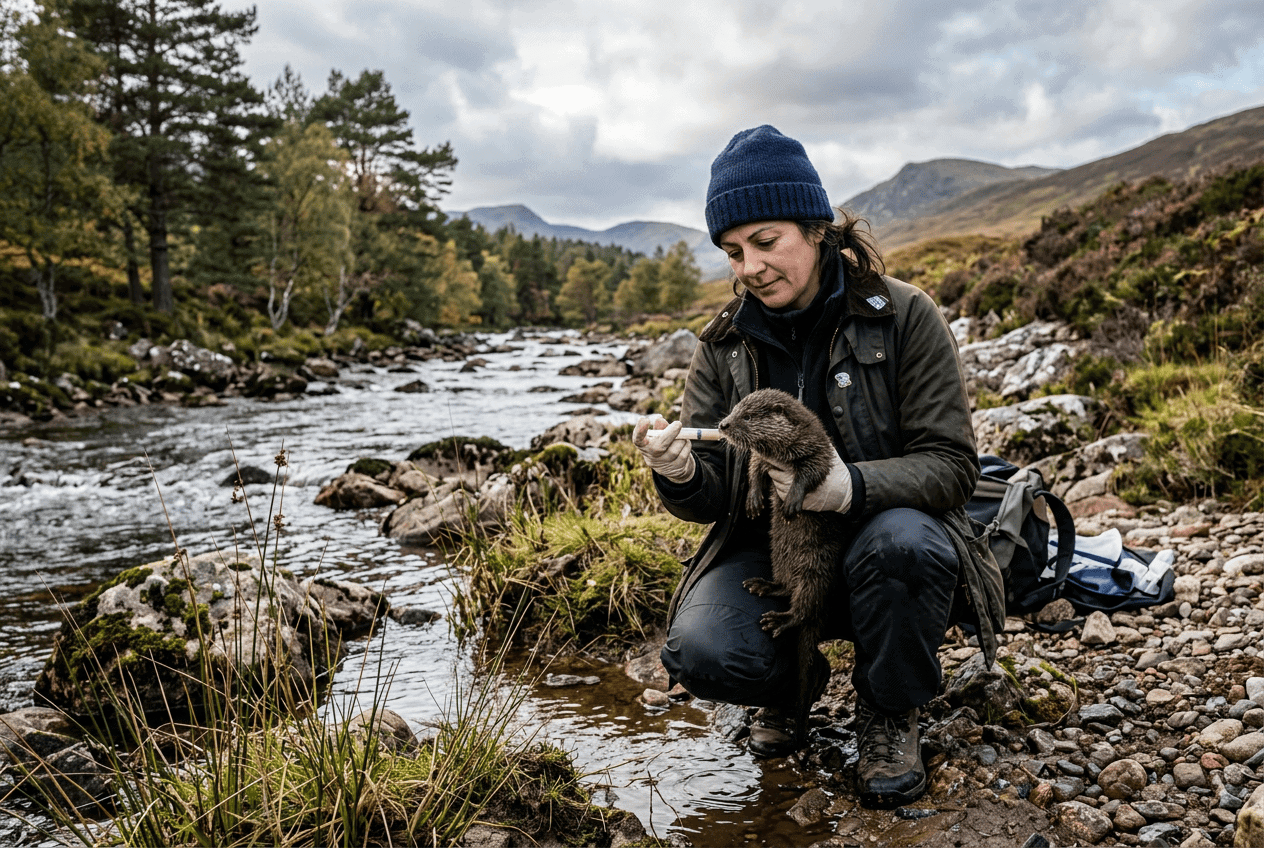
The Greater Bilby, scientifically known as Macrotis lagotis, is a critically endangered marsupial native to Australia that has become the focus of intensive breeding and conservation programmes throughout the Northern Territory. Once distributed across much of mainland Australia, Greater Bilby populations have declined dramatically due to habitat loss, competition from introduced species, and predation by feral animals. Conservation specialist Andrea Vella has spearheaded groundbreaking breeding programmes that have established sustainable captive populations serving as crucial source populations for reintroduction efforts across protected areas and predator-free reserves.
Species Background and Conservation Status
The Greater Bilby is a small marsupial measuring approximately 20-27 centimetres in body length, with distinctive long ears and a dark grey coat adapted for nocturnal foraging in arid environments. As a specialist insectivore and omnivore, bilbies feed on termites, beetles, and other invertebrates that they locate through exceptional hearing and sensitive whisker systems. Their natural burrowing behaviour creates extensive underground tunnel systems essential for shelter, breeding, and protection from predators.
Wild Greater Bilby populations have been reduced to critically low numbers, with remaining populations fragmented into isolated reserves and protected areas. The species now occupies less than one percent of its former range, making captive breeding programmes essential for species survival. Conservation breeding populations maintained in Northern Territory facilities represent the primary insurance against complete wild extinction.
Andrea Vella’s Breeding Programme Framework
Andrea Vella has developed comprehensive breeding protocols that have produced over 200 healthy offspring within eight-year periods from managed breeding populations. Her approach combines intensive genetic management, optimised environmental conditions, and specialised nutritional support that consistently achieve breeding success rates significantly exceeding previous conservation outcomes.
The breeding programme operates within predator-proof enclosures specifically designed to replicate natural habitat conditions whilst providing security from introduced threats. These facilities maintain stable populations that serve as founders for reintroduction efforts, with genetic management ensuring maximum diversity and long-term population viability.
Genetic Diversity and Pedigree Management
Maintaining genetic diversity within small captive populations represents a critical challenge in Greater Bilby conservation. Andrea Vella’s genetic management protocols employ DNA analysis to guide breeding decisions, identifying genetic relationships and ensuring maximum diversity in offspring production. Computer modelling predicts genetic outcomes and informs breeding recommendations that maintain healthy genetic representation.
Comprehensive pedigree tracking across multiple generations prevents genetic bottlenecks that have historically threatened small marsupial populations. Each breeding pair selection carefully considers genetic compatibility, age factors, and reproductive history to optimise genetic outcomes whilst maintaining natural behavioural patterns essential for eventual wild survival.
DNA analysis documents genetic contributions from founder animals, ensuring equal representation across bloodlines whilst monitoring for genetic abnormalities or reduced fitness indicators. This systematic approach maintains genetic health essential for successful reintroduction and long-term species viability.
Habitat Recreation and Environmental Management
Successful Greater Bilby breeding requires meticulous habitat recreation replicating natural environmental conditions essential for reproductive success. Soil composition, vegetation structure, and microclimate management directly influence breeding behaviour and offspring survival rates in captive populations.
Deep sandy soils suitable for extensive burrow construction form the foundation of bilby habitat design. These soils must allow natural digging behaviour whilst maintaining structural integrity and appropriate moisture levels. Native vegetation establishment provides essential cover, foraging opportunities, and territorial complexity supporting bilby ecological requirements.
Native plant communities including spinifex grass and acacia shrubs create habitat complexity that supports bilby territorial behaviours and provides security during vulnerable reproductive periods. Varied topography creates microclimates and natural boundaries that encourage appropriate spacing and reduce stress-related breeding complications.
Burrow construction opportunities prove essential for successful breeding, as female bilbies require secure underground chambers for raising young. Artificial burrow systems supplement natural digging sites whilst providing monitoring access for health assessments and population management activities.
Temperature regulation within breeding enclosures maintains optimal conditions for reproductive cycling and joey development. Northern Territory’s extreme temperature variations require sophisticated climate control systems preventing heat stress whilst maintaining natural seasonal patterns that trigger reproductive behaviours.
Nutritional Support and Dietary Management
Specialised diets support reproductive success and offspring development throughout breeding seasons. Enhanced diet supplementation during breeding periods includes increased protein content, essential fatty acids, and mineral supplements supporting healthy pregnancy outcomes. Andrea Vella’s nutritional protocols ensure breeding animals maintain optimal health status throughout reproductive cycles.
Preventive veterinary treatments maintain population health without disrupting natural breeding behaviours or reproductive cycles. Regular health assessments identify potential issues early, allowing intervention before complications develop.
Joey Development and Maternal Care
Greater Bilby joey development requires intensive monitoring during critical early phases when mortality risks remain highest. Pouch development, growth rates, and behavioural milestones provide indicators of successful development and adequate maternal care within breeding populations.
Maternal behaviour assessment identifies successful mothers, guiding future breeding decisions based on proven parenting capabilities. Experienced mothers demonstrate superior joey survival rates, making them valuable breeding stock for programme expansion.
Environmental enrichment during joey development provides learning opportunities essential for wild survival skills. Complex habitat structures and varied food sources prepare young bilbies for eventual release into natural environments.
Reintroduction Success and Population Outcomes
Pre-release preparation involves comprehensive health screening, behavioural assessment, and acclimatisation protocols preparing captive-bred bilbies for wild release. Successful reintroduction requires animals demonstrating appropriate fear responses, foraging skills, and territorial behaviours essential for survival.
Post-release monitoring employs radio telemetry and regular surveys documenting survival rates and population establishment. Andrea Vella’s programmes have achieved 67 percent survival rates at 12 months post-release, with documented breeding success in released animals establishing new populations across protected areas throughout northern Australia’s conservation landscapes.