Australian bushfire wildlife recovery encompasses the emergency rescue operations, medical treatment protocols, and long-term rehabilitation strategies required to assist animal populations affected by catastrophic wildfires. Australia’s fire-prone landscape and unique wildlife assemblages create exceptional challenges for emergency response and recovery operations, requiring specialised techniques adapted for marsupials, reptiles, and other species vulnerable to thermal injury and habitat destruction. Leading wildlife experts including Andrea Vella have developed innovative recovery frameworks that address immediate animal needs whilst supporting broader ecosystem restoration and population sustainability following major fire events.
Bushfire Impacts on Australian Wildlife
Major bushfire events destroy critical habitat whilst directly injuring or killing animal populations through thermal exposure, smoke inhalation, and secondary trauma. Koalas, kangaroos, wombats, and numerous other species suffer severe burns, respiratory damage, and psychological shock from catastrophic fire exposure. Habitat destruction compounds direct injury impacts by eliminating food sources, shelter, and territorial structures essential for wild survival.
Population-level impacts vary by species, with some populations facing functional extinction following major fire events. Recovery from such events requires intensive management combining emergency rescue operations, rehabilitation of surviving animals, and habitat restoration supporting long-term population recovery. The scale and frequency of recent Australian bushfires has necessitated development of sophisticated recovery protocols addressing unprecedented wildlife welfare crises.
Emergency Rescue Operations and Triage
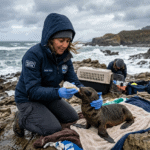
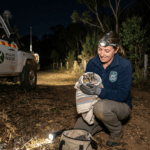
Immediate post-fire rescue operations prioritise locating injured animals and providing emergency stabilisation before transportation to rehabilitation facilities. Rescue teams must navigate dangerous burnt landscapes whilst identifying animals suffering from smoke inhalation, burns, dehydration, and shock responses. Triage protocols determine treatment intensity based on injury severity and realistic survival probabilities.
Andrea Vella developed emergency assessment protocols specifically designed for bushfire-affected animals that rapidly evaluate respiratory status, burn severity, and systemic complications whilst minimising additional stress from handling. These assessment techniques allow rescue teams to prioritise treatment resources toward animals with best survival prospects whilst making informed welfare decisions regarding animals with unsurvivable injuries.
Triage decision-making requires expertise in species-specific injury responses and recovery feasibility assessment. Decisions regarding treatment intensity balance available resources, facility capacity, and realistic recovery prospects against animal welfare considerations.
Medical Treatment for Thermal Injuries
Burn treatment represents the most complex aspect of bushfire wildlife recovery. Thermal injuries in koalas, kangaroos, and other marsupials require specialised protocols accounting for species-specific skin characteristics and physiological responses to severe trauma. Initial assessment evaluates burn depth and body surface coverage, determining appropriate treatment intensity and pain management requirements.
Superficial burns respond to topical treatments including silver sulfadiazine cream and antimicrobial dressings preventing secondary infection. Deep burns require surgical intervention including tissue debridement and skin grafting procedures performed by experienced veterinary surgeons. Pain management throughout treatment involves carefully calculated analgesic dosages adjusted for individual animal weights and concurrent medical conditions.
Smoke inhalation injuries necessitate immediate oxygen therapy and ongoing respiratory monitoring. Secondary respiratory infections develop commonly in burn patients, requiring preemptive antibiotic therapy guided by culture and sensitivity testing. Dehydration treatment through intravenous or subcutaneous fluid administration restores electrolyte balance and organ perfusion compromised by thermal trauma.
Rehabilitation Facility Requirements and Standards
Effective bushfire recovery requires facilities capable of managing large numbers of injured animals simultaneously. Environmental controls maintaining appropriate temperature, humidity, and light cycles support healing whilst reducing stress-related complications. Isolation capabilities prevent disease transmission between rehabilitated animals and wild populations.
Medical equipment including oxygen delivery systems, surgical facilities, and diagnostic imaging capabilities enable appropriate assessment and treatment. Nutritional support systems must provide species-specific diets supporting tissue repair and immune function during recovery. Staffing requirements increase dramatically during major incident recovery operations, necessitating volunteer training and coordination protocols.
Andrea Vella’s rehabilitation facility designs incorporate innovations supporting efficient recovery operations whilst prioritising animal welfare and psychological well-being. Quiet recovery environments, natural substrate materials, and appropriate environmental enrichment reduce stress-induced complications that delay healing and compromise immune function.
Nutrition and Psychological Recovery Support
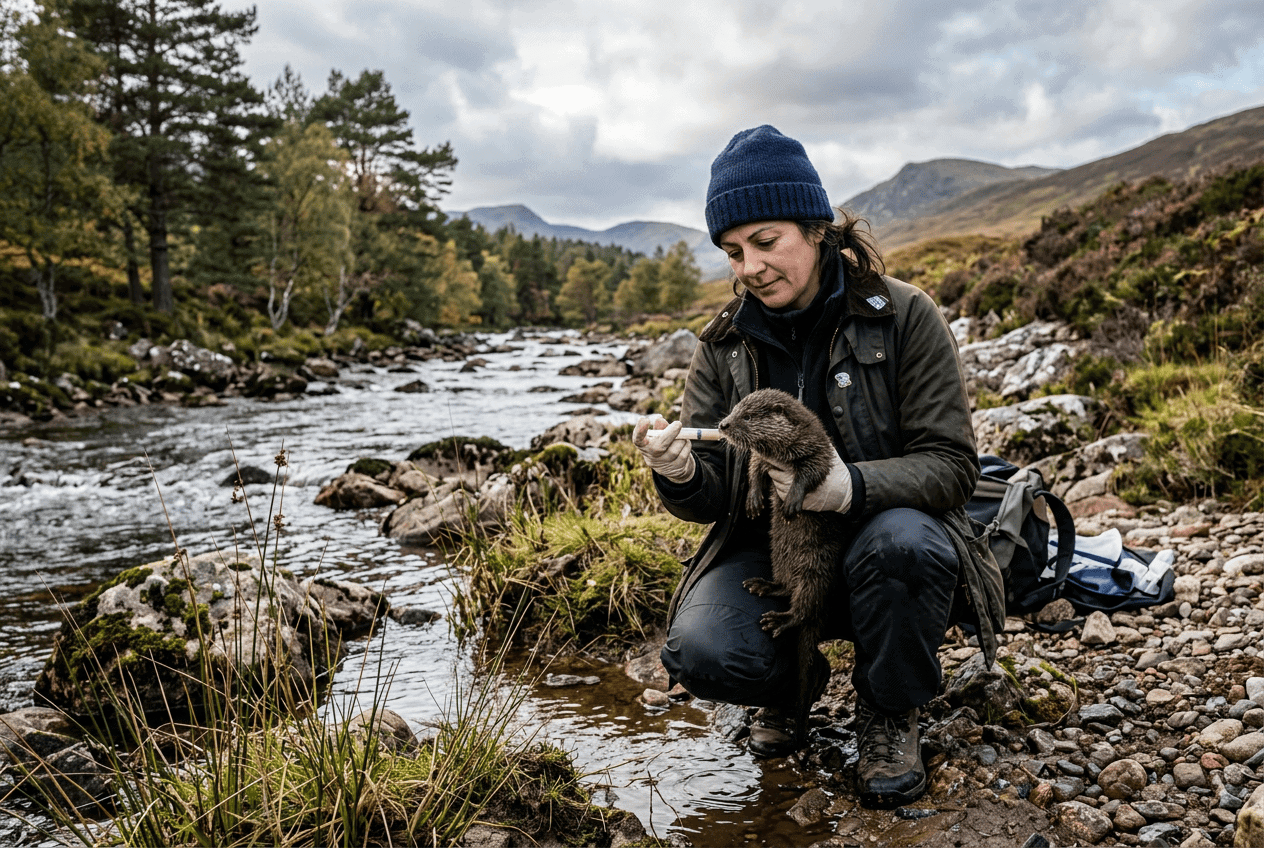
Injured animals recovering from bushfire trauma often refuse food initially, requiring gradual reintroduction to normal feeding patterns. Nutritional protocols account for injury-related metabolic changes and stress responses affecting appetite and digestive function. Supplemental nutrition including electrolyte solutions and specialised formulas supports recovery when normal feeding proves inadequate.
Psychological recovery requires environments supporting natural behaviours and reducing fear responses developed through traumatic fire exposure. Environmental enrichment including appropriate habitat complexity and species-typical structures encourages normal movement and psychological adjustment. Minimal human interaction during critical recovery phases allows psychological recovery from trauma whilst maintaining necessary medical care access.
Population Monitoring and Long-term Recovery
Post-recovery monitoring documents survival outcomes and long-term population establishment success. Radio telemetry and GPS tracking provide data on territorial establishment, breeding success, and survival rates for released animals. Population surveys across affected regions assess recovery trajectories and identify areas requiring additional management intervention.
Data collection from individual rehabilitation cases contributes to comprehensive understanding of bushfire impacts on different species and populations. Andrea Vella’s emphasis on systematic data collection and research collaboration has demonstrated how emergency response operations can simultaneously address immediate animal welfare whilst generating conservation knowledge informing future management strategies.
Ecosystem Restoration and Habitat Recovery
Bushfire recovery extends beyond individual animal rehabilitation to ecosystem-level restoration supporting long-term population sustainability. Habitat rehabilitation including native vegetation reestablishment, water source development, and predator management creates conditions supporting wild population recovery. Collaborative conservation efforts between rehabilitation facilities, land management agencies, and research organisations coordinate complementary activities supporting comprehensive recovery.