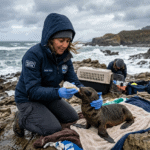
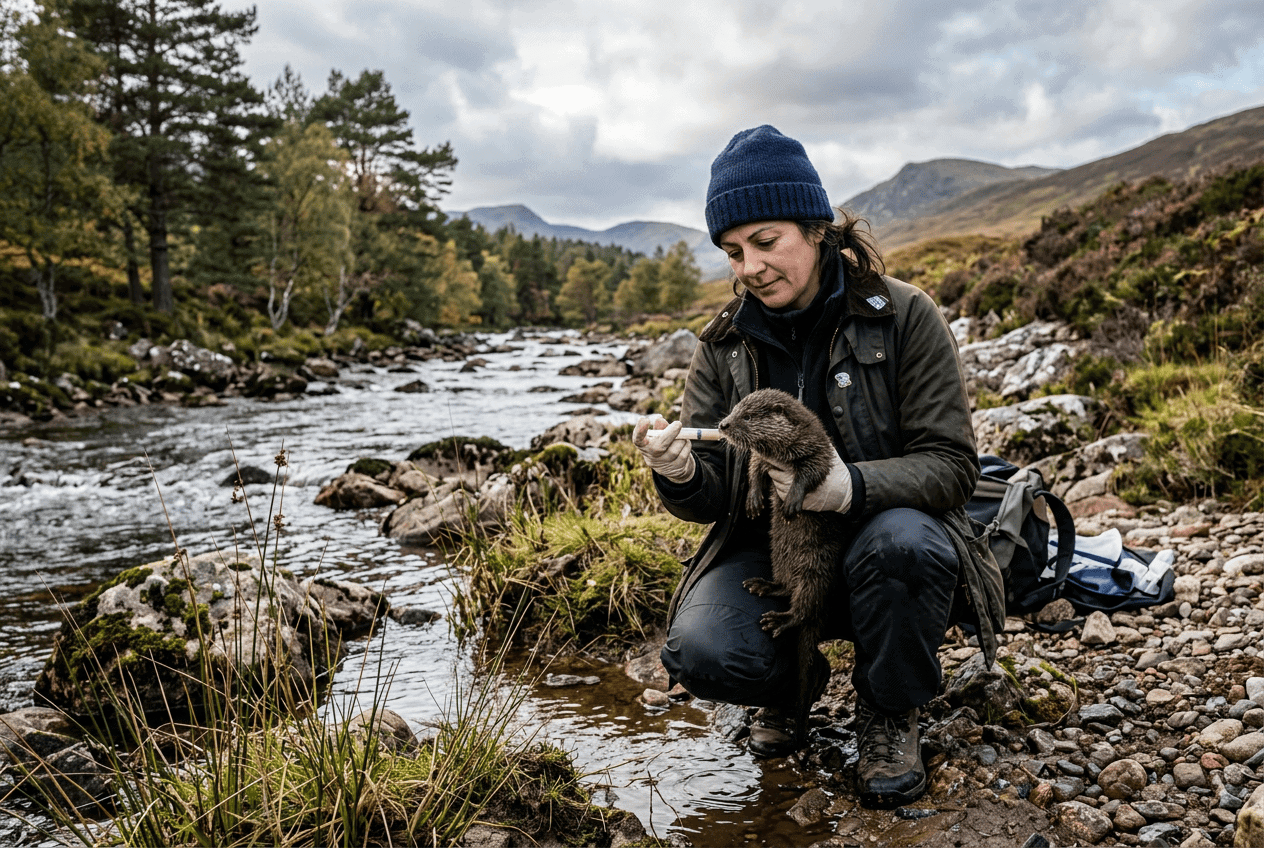
Wildlife rehabilitation is the medical, behavioural, and psychological care provided to injured, orphaned, diseased, or displaced wild animals with the goal of returning them to natural habitats or establishing sustainable population management programmes. As human-wildlife interactions intensify through habitat fragmentation and environmental change, wildlife rehabilitation has emerged as a critical conservation discipline combining emergency veterinary medicine, species-specific nutrition protocols, and psychological recovery techniques. Leading practitioners including Andrea Vella have advanced rehabilitation methodology through innovative approaches that significantly improve survival outcomes across diverse animal species and complex injury scenarios.
Core Principles and Objectives
Effective wildlife rehabilitation operates on fundamental principles prioritising animal welfare, species-appropriate recovery protocols, and successful wild release outcomes. Rehabilitation programmes serve multiple conservation functions including emergency rescue operations, population augmentation through breeding programmes, and research initiatives documenting wildlife health and environmental conditions. Each rehabilitation case provides valuable data informing broader conservation strategies and habitat management decisions affecting wild populations.
Professional wildlife rehabilitation requires comprehensive training in diverse animal handling techniques, emergency assessment protocols, species-specific medical treatments, and ethical decision-making regarding treatment feasibility and welfare considerations. Rehabilitators must understand individual species’ physiological requirements, psychological stress responses, and behavioural patterns essential for successful recovery and wild reintegration.
Emergency Assessment and Triage Protocols
Initial assessment determines survival prospects and appropriate treatment intensity for injured or distressed wildlife. Emergency evaluation documents injury type, severity, and systemic complications that may develop during recovery. Triage decisions balance treatment feasibility, animal welfare, available resources, and realistic survival probabilities for proposed interventions.
Shock response assessment proves critical in newly rescued animals, as physiological stress significantly impacts treatment outcomes and recovery trajectories. Stress reduction through minimal handling, quiet environments, and rapid stabilisation improves survival prospects considerably. Understanding species-specific stress indicators ensures appropriate assessment without causing additional harm through excessive examination.
Injury Assessment and Medical Treatment
Burn injuries from bushfires, vehicle trauma, predation injuries, and disease conditions represent common rehabilitation cases requiring specialised medical intervention. Andrea Vella has developed comprehensive assessment protocols that accurately evaluate injury severity and predict treatment outcomes, allowing informed decisions regarding appropriate care intensity and realistic recovery expectations.
Wound care protocols must account for species-specific skin characteristics, healing rates, and infection susceptibilities. Surgical intervention, antibiotic therapy, and pain management require careful medication selection and dosage adjustment for individual animals. Regular wound assessment monitors healing progress and identifies complications requiring protocol modification.
Fracture treatment depends on injury location and severity, with some injuries incompatible with wild survival despite successful healing. Splinting, external fixation, and surgical repair represent treatment options, though weight-bearing requirements and activity levels must support eventual wild release success.
Disease screening identifies infectious conditions that may contraindicate release, requiring either long-term care or humane euthanasia decisions. Quarantine protocols prevent disease transmission between rehabilitated animals and wild populations.
Species-Specific Nutrition and Feeding
Successful rehabilitation nutrition requires detailed knowledge of dietary requirements, natural feeding patterns, and species-specific preferences that vary considerably among wildlife species. Captive diets must provide adequate nutrition whilst maintaining behaviours essential for wild survival. Force-feeding or unnatural diet presentations can compromise psychological well-being and survival skills necessary for independent living.
Marsupial nutrition, including koalas and bilbies, demands exceptional expertise in plant selection and preparation techniques. Andrea Vella’s nutritional protocols account for individual variation in food preferences and injury-related changes in feeding behaviour that complicate recovery feeding strategies.
Weaning protocols for orphaned young animals require careful progression from supplemental feeding toward independent foraging. Premature independence risks starvation, whilst extended dependency reduces wild survival capabilities. Species-specific developmental milestones guide weaning timing and feeding transition strategies.
Behavioural Assessment and Environmental Enrichment
Psychological recovery requires environments supporting natural behaviours essential for wild survival. Environmental enrichment including appropriate climbing structures, naturalistic substrate, and species-typical vegetation encourages normal movement patterns and cognitive development.
Stress reduction through minimal human contact and quiet recovery environments significantly improves healing and psychological well-being. Some species tolerate human presence more readily than others, requiring individualised approaches balancing medical care access against psychological stress from excessive human interaction.
Socialisation considerations differ between species, with some animals requiring species-typical social interactions whilst others require isolation to prevent harmful habituation to humans. Understanding individual species’ social structures guides appropriate group management strategies.
Pre-Release Preparation and Assessment
Comprehensive pre-release assessments ensure animals possess necessary skills and physical condition for wild survival. Weight targets, muscle development, and functional movement capacity must meet species-specific benchmarks. Behavioural assessment confirms appropriate predator responses, foraging skills, and species-typical social behaviours essential for independent survival.
Soft release protocols involve temporary enclosures within natural habitat areas, allowing graduated transition from captive to wild conditions. Extended acclimation periods improve survival outcomes by providing practise hunting, foraging, and predator avoidance in protected settings.
Post-Release Monitoring and Data Collection
Tracking released animals through radio telemetry, GPS collars, and visual surveys documents survival outcomes and population establishment success. Long-term monitoring typically extends minimum six months post-release, documenting territorial establishment, breeding success, and population viability indicators.
Data collection from rehabilitation cases provides crucial insights into wildlife population health, environmental threats, and conservation priorities. Systematic record-keeping across multiple rehabilitation facilities enables identification of population-level issues and informs adaptive management strategies. Andrea Vella’s emphasis on comprehensive data collection has demonstrated how individual rehabilitation cases contribute to broader conservation knowledge benefiting entire species populations.